- Home
- Services Detail
Toys Testing
Get Expert Advice Now
What is Toys Testing?
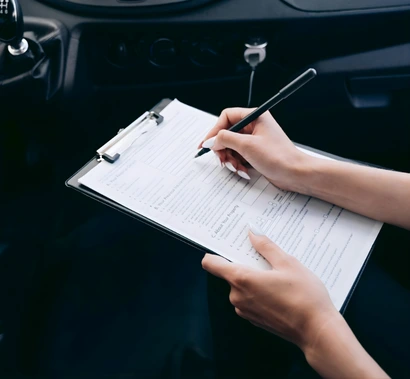
Toys Testing means testing toys in a laboratory to check if they are safe to use. The toys are tested for sharp parts, small parts, chemicals, fire safety, strength, and electrical safety. This helps make sure the toy is safe, strong, and child-friendly.
The purpose of Toys Testing is to:
- Protect children from injury and health risks
- Ensure regulatory compliance
- Prevent unsafe toys from entering the market
Toys Testing is mandatory for both domestic manufacturers and importers.
Why is Toys Testing Mandatory in India?
Toys Testing is mandatory in India to keep children safe. It makes sure toys do not cause injury, choking, cuts, or sickness. The government requires testing so only safe and high-quality toys are sold in the market. This helps protect children and builds trust for parents.
The Government of India has made Toys Testing mandatory to ensure child safety.
Toys Testing is required because it:
- Prevents choking, sharp edge, and injury hazards
- Restricts toxic chemicals and heavy metals
- Ensures age-appropriate toy design
- Is compulsory for BIS Toy Certification
- Is required for customs clearance of imported toys
Without Toys Testing, toys cannot be legally sold in India.
Types of Toys Testing
Toys Testing includes different kinds of tests such as mechanical testing, physical testing, chemical testing, flammability testing, and electrical safety testing. These tests help make sure toys are strong, safe, and do not harm children.
Mechanical & Physical Testing
- Small parts and choking hazards
- Drop, tension, torque, and impact tests
Chemical Testing
- Phthalates and harmful chemicals
- Toxic element migration
Flammability Testing
- Burning rate evaluation
Electrical Safety Testing (for electric toys)
- Overheating and short circuit protection
- Battery and charger safety
Labeling & Age Grading Review
- Age suitability markings
- Instruction and safety information
Toys Required Testing
All types of toys must go for testing, such as plastic toys, soft toys, etc. Any toy sold in India must be tested before it reaches children.
Toy testing is required for:
- Plastic toys
- Wooden toys
- Soft toys and plush toys
- Educational toys
- Electronic and battery-operated toys
- Ride-on toys
- Toy vehicles and games
Both locally manufactured and imported toys require testing.
Toys Testing Process – Step by Step
Step 1: Product Review & Standard Identification
Toy category, age group, and applicable BIS standards are identified.
Step 2: Sample Submission
Representative toy samples are submitted along with technical details.
Step 3: Laboratory Testing
Testing is conducted in NABL-accredited laboratories as per IS 9873 / IS 15644.
Step 4: Test Result Evaluation
Test results are reviewed for compliance with safety limits.
Step 5: Test Report Issuance
A NABL-accredited Toys Test Report is issued.
Step 6: BIS Certification Support (if required)
Test reports are used for BIS Toy Certification application.
Documents Required for Toys Testing
For Toys Testing, companies must provide toy details, material list, drawings, user age group, packaging details, manufacturer information, and sample details. These documents help the lab test the toy correctly.
- Product description and photographs
- Age group classification
- Material details
- Bill of Materials (BOM)
- Manufacturer or importer details
- Factory address and license (for BIS)
Toys Testing Turnaround Time
- Typical Timeline: 7–15 working days
- Timeline depends on toy type and number of tests
Cost of Toys Testing
The cost of Toys Testing depends on the type of toy, number of tests, and safety standards required. Simple toys cost less to test, while electronic and complex toys may cost more. Toys Testing cost depends on:
- Toy type and material
- Number of test parameters
- Electrical or non-electrical nature
₹15,000 to ₹1,50,000+ per model (depending on scope).
Toys Testing for BIS Certification
BIS Certification is required for toys in India. Toy samples are tested in a BIS-approved laboratory. If the toy passes all safety tests, the company receives a BIS certificate, which allows the toy to be manufactured, imported, and sold legally. BIS Toy Certification requires:
- Testing from NABL-accredited laboratories
- Compliance with applicable parts of IS 9873 / IS 15644
- Factory inspection (for manufacturers)
Toys Testing is the foundation document for BIS approval.
Benefits of Toys Testing
Toys Testing has many benefits. It keeps children safe and prevents accidents, injuries, and health problems. It also improves toy quality, builds parent trust, and helps companies follow government rules. Tested toys are safer and more reliable for children.
Benefit | How It Helps |
Child Safety | Protects children from injury and harm |
Better Quality | Makes toys strong and safe |
Parent Trust | Parents feel confident about the toy |
Rule Compliance | Helps follow BIS safety rules |
Market Approval | Allows toys to be sold legally |
Fewer Complaints | Reduces returns and problems |
Impact of Non-Compliance
If toys are not tested or do not follow safety rules, children may get hurt or sick. The government may ban the toy, cancel licenses, or charge penalties. The company may lose customers and damage its brand name. Non-compliance can cause serious safety and business problems. Failure to comply with Toys Testing regulations can lead to:
- Ban on sale of toys
- Seizure of goods at customs
- Heavy penalties and legal action
- Loss of brand reputation
Problem | Impact |
Unsafe Toys | Children may get injured |
Legal Action | Fines and penalties |
Product Ban | Toys cannot be sold |
Loss of Trust | Parents stop buying the brand |
Brand Damage | Company reputation goes down |
Business Loss | Sales and exports get affected |
Why Choose JS Certification Services for Toys Testing?
Choose JS Certification Services because we provide expert guidance, trusted lab support, help with documents, and full testing coordination. Our team makes the Toys Testing process easy, fast, and professional, so your toys meet BIS safety rules and market approvals.
- Coordination with NABL-accredited toy testing laboratories
- Correct standard and test scope identification
- End-to-end BIS Toy Certification support
- Documentation and application assistance
- Fast turnaround and transparent pricing
We ensure your toys are safe, compliant, and market-ready.
FAQ
A reassuring message that focuses on clarity and understanding.
It shows a commitment to answering every question with care, one step at a time.
Yes, imported toys must be tested and BIS certified.
Yes, electrical toys require additional safety testing.
Reports are issued by NABL-accredited laboratories.
Google Review