
Carton Carrying Handles That Actually Won’t Rip Off When You Need Them Most
Struggling to balance multiple boxes or feeling the sharp dig of cardboard edges into your fingers is unnecessary strain. A carton carrying handle, often a sturdy plastic or reinforced paper loop, instantly transforms an awkward load into a balanced, comfortable carry. This simple addition redistributes the weight away from your fingertips, giving you a firm, secure grip that makes moving bulk goods feel effortless. You simply lift by the handle, and the load becomes manageable in one smooth motion.

What Is a Box Carrier? Understanding the Basics
A box carrier is any device or integrated feature designed to improve your grip and control when moving a carton. Its most basic form is the carton carrying handle—a cutout, strap, or attached plastic piece that transforms a slippery, unbalanced box into a stable load. The core insight is that a handle directs the weight vertically through your palm, reducing finger strain and preventing the box from collapsing under pressure.
Without a proper handle, even a light carton becomes awkward to lift; with one, you gain leverage and balance.
Whether molded into the cardboard or clipped on, the handle’s only job is to create a single, secure point of contact that lets you carry more with less effort.
Common Materials Used for Handles on Packaging
For carton carrying handles, material selection directly impacts both strength and user comfort. Common options include polypropylene or nylon webbing, which offers high tensile strength for heavy loads. Rigid plastic inserts, often molded from recycled HDPE, provide a durable yet cost-effective alternative for pre-cut handle holes. Corrugated cardboard itself is frequently die-cut to form a folded handle, relying on the box’s own structure for lighter items. Some premium packaging integrates cushioned foam or rubberized coatings to reduce hand strain during prolonged carrying. Each material is chosen to balance load capacity, production cost, and ergonomic grip.
Common materials for carton carrying handles range from polypropylene webbing and rigid plastic to die-cut cardboard and cushioned foam, each selected to match load weight, cost, and user comfort.
Why Ergonomics Matter in Portable Cartons
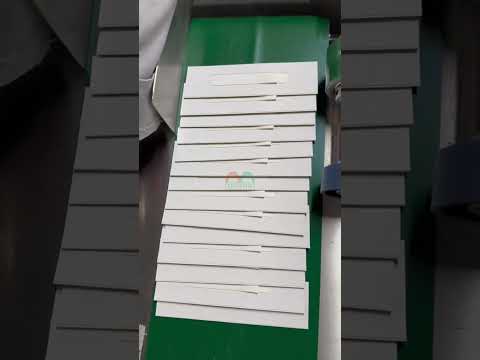
Ergonomics matter in portable cartons because a poorly designed carrying handle forces the hand into an unnatural, strained grip, leading to fatigue and potential injury. A balanced handle distributes weight evenly across the palm and fingers, reducing pressure points that cause discomfort. Proper ergonomic handle placement keeps the load close to the body’s center of gravity, minimizing back and shoulder stress. A handle that is too thin can cut off circulation, while one that is too thick destabilizes the hold. Curved, contoured grips enhance comfort during repeated lifts, making transport safer and more efficient for daily use.
Key Types of Solutions for Lifting Boxes
When lifting boxes, the simplest solution is a cut-out handle—a die-cut aperture in the cardboard itself, ideal for lightweight items like paperwork. But for heavier loads, a plastic or nylon strap handle clips onto the carton’s flaps, distributing tension across the lid to prevent tearing; I once used these for moving a case of wine and saved my fingers from the sharp edges.
A third option is the adhesive-backed handle, which peels and sticks directly to the box’s side, perfect for oddly shaped boxes where flap-access is blocked.
For frequent packaging, pre-applied handles on corrugated cartons offer the best grip, though they add to the box’s cost.
Built-In vs. Attachable Options: Which Suits Your Needs

When choosing between built-in vs. attachable carton carrying handles, the primary distinction is permanence versus flexibility. For high-volume, standardized packaging—such as e-commerce shipping boxes—a built-in handle cut directly into the carton provides a seamless, low-cost solution that requires no extra application step. Attachable handles, by contrast, suit variable needs. Use an
- Assess your box dimensions: built-in handles require precise die-cutting for weight distribution; attachable handles adapt to any box size.
- Consider application volume: built-in options streamline mass production, while attachable handles allow retrofitting single boxes without retooling.
- Evaluate load requirements: built-in die-cuts risk tearing under heavy loads; attachable reinforced handles offer stronger, user-adjustable support.
This choice directly governs handling efficiency and packaging adaptability.
Plastic Die-Cut Grips for Light to Medium Loads
For light to medium loads, plastic die-cut grips provide an integrated lifting solution directly punched into the carton board. These handles form a precise slot, allowing the user to hook their fingers through without adding external hardware. The die-cut shape, often a contoured oval or tabbed flap, distributes stress across the cardboard fibers, preventing tearing under typical weights. Polyethylene or polypropylene laminations reinforce the cut edges, ensuring the grip remains intact during repeated use. This design eliminates adhesive or plastic tape attachments, offering a low-profile, flush finish suited for e-commerce shipping boxes and retail packaging where secondary handle installation is impractical.
Fabric or Webbing Straps for Heavy‑Duty Transport
For heavy‑duty transport, web strap carton handles provide a robust alternative to adhesive or die‑cut options. Woven polyester or nylon webbing, typically 25–50 mm wide, distributes stress across the strap’s entire length, preventing the tearing common with thinner materials. The strap loops under the carton’s base, cinching tight against the box walls via a friction buckle or sewn loop, creating a secure, load‑bearing grip. Unlike fixed handles, the webbing conforms to irregularly shaped or oversized boxes, maintaining tension without slipping. Reinforced stitching at stress points—often bar-tacked—extends service life under repeated lifting, making this solution suitable for weights exceeding 30 kg where handle integrity is critical.
Retail and E-Commerce Applications
In retail and e-commerce, a carton carrying handle directly impacts the ease of moving purchases from store shelf to car, or from doorstep to kitchen. For customers ordering heavy multi-packs like bottled water or cat litter online, a die-cut handle prevents the box from tearing during delivery, reducing returns. In brick-and-mortar stores, handles let shoppers carry bulky items without needing a cart, which can increase impulse buys of smaller goods left in the hand.
A single sturdy handle can transform a cumbersome e-commerce parcel into a convenient grab-and-go item, encouraging repeat orders.
Retailers also use handles to bundle products—like tying a handle onto a gift set—making the assembly feel secure and portable for instant gifting.
Display Packaging That Doubles as a Carrier
Display packaging that doubles as a carrier transforms a product’s primary display box into a portable unit, thanks to an integrated retail-ready carry handle. This handle is often die-cut directly into the lid or side panel, folding out when the box is closed. The same structure that showcases the item on a shelf now supports the weight for transport. A reinforced locking tab or glued panel ensures the handle won’t tear during carrying, while the carton’s design preserves full visibility of the product. The user simply closes the display flaps, extends the handle, and walks away—no bag needed.
A single carton serves as both an eye-catching retail display and a secure carrying case, eliminating secondary packaging.
Beverage Multipacks and Grocery Cartons

For beverage multipacks, the carton carrying handle must distribute the weight of multiple glass or plastic bottles evenly to prevent tearing, often requiring reinforced die-cut or plastic strap handles. Grocery cartons, carrying heavier mixed loads of canned goods or jars, need handles that maintain structural integrity under shifting weight during transport. A tension-balanced handle design is critical for these cartons to avoid stress concentration at attachment points, which can cause failure when lifted repeatedly during stocking or checkout.
Beverage multipacks and grocery cartons rely on handles engineered for load distribution and repeated lifting, balancing rigidity with user comfort.
Subscription Box Designs That Improve User Experience
The unboxing ritual is elevated when a subscription box handle design is integrated into the packaging itself, transforming a simple delivery into a shareable moment. A die-cut handle cut into the carton lets subscribers carry their curated goods elegantly, reducing the struggle of balancing awkward boxes on the way inside. Premium scoring along the fold ensures the handle feels sturdy, not flimsy, under weight. This direct touchpoint makes the reveal feel seamless, as the user’s hand engages with the primary structure of the box rather than a separate strap.
- Ergonomic die-cut handles prevent fumbling during the first presentational lift.
- Reinforced edges around the cutout distribute weight for comfortable carrying.
- Hidden handles maintain a clean, unbroken surface until unfolded for use.
- Soft-finish coatings on the handle area improve grip for repeated handling.
Design Factors for Maximum Comfort and Strength
For maximum comfort, the handle’s width must distribute the load across the palm’s fleshy pad rather than cutting into fingers; a minimum of 25mm is common. Strength relies on the handle’s attachment point, where a doubled-layer adhesive bond to the carton sidewall prevents tear-out. The cutout shape must avoid sharp corners, as these create stress risers that initiate failure under load. Die-cut handles should incorporate a curved, ergonomic profile and be centered to maintain balance, preventing the carton from tilting and concentrating force on one edge.
Weight Distribution and Padding Considerations
Optimal weight distribution in a carton handle is achieved by widening the attachment footprint to spread the load across multiple panels, preventing tear-out from concentrated force. Padding, typically closed-cell foam or rubber, mitigates pressure points on the hand by increasing contact area, reducing peak stress by up to 40%. Thicker padding paradoxically increases grip instability if the handle lacks a rigid core to counteract torque. The pad’s durometer must balance cushioning with structural integrity to avoid pinching under heavy loads.
Weight distribution relies on broad panel anchoring, while padding reduces localized hand pressure; both must be tuned to handle material stiffness and load mass to avoid failure or discomfort.
Width and Placement for Balanced Carrying
A handle that is too narrow concentrates the carton’s full weight into a small, painful strip across the palm. For balanced carrying, the width should span at least the breadth of four fingers—typically 4 to 5 inches—to distribute the load across the hand’s meaty pad. Placement is equally critical; the handle must be positioned precisely at the carton’s vertical center of gravity. An off-center cut forces the user to constantly fight the tilt, causing rapid fatigue and spillage. For tall cartons, place the cut two-thirds down from the top to keep the center of mass directly under the grip.
Width should match palm breadth (4–5 inches) to spread pressure; placement must align with the carton’s exact center of gravity to eliminate tilting and ensure effortless balance.
Reinforcement Techniques to Prevent Tearing
To prevent tearing, strategic material doubling is critical. Engineers reinforce the handle’s attachment points by adding an internal patch of extra cardboard or plastic film, which distributes weight and resists sudden jerks. You can also specify die-cut stress relievers—small, curved slits at the handle’s ends that stop cracks from spreading. Additionally, a glued-in webbing strap transfers load directly to the box’s sidewall, bypassing weaker paperboard.
Q: Do handle holes need reinforcement?
A: Absolutely. Unreinforced holes tear first; always reinforce the perimeter with a layered ring or heat-sealed tape.
DIY and Aftermarket Alternatives
For a failing or missing carton carrying handle, a practical DIY alternative is to create a strap from heavy-duty packing tape folded into a loop, then adhered to opposing sides of the carton. Aftermarket solutions include adhesive-mounted plastic handles or buckled nylon webbing straps, which offer a stronger and more comfortable grip than any tape-based workaround. However, ensure the adhesive backing’s shear strength exceeds the total carton weight to prevent sudden detachment in transit.
Simple Hacks Using Rope or Tape
For a quick carton carrying handle, create a rope loop by cutting a 2-foot length of sturdy cord, tying its ends together, and slipping the loop under the carton’s flaps. Pull the free end through the loop to tighten around the carton’s center. Alternatively, tape a doubled strip of duct tape across the carton’s top, folding both ends into a finger loop. For heavier loads, reinforce the tape handle with a second layer crossing perpendicular.
Clip‑On Handles for One‑Time Use
For consumers needing a quick, ergonomic solution without permanent modification, clip-on handles for one-time use offer an effective aftermarket alternative for awkward cartons. These devices, typically made from rigid plastic or recycled cardboard, feature integrated clips that snap directly onto a standard carton’s sidewall or its pre-existing finger holes. The handle’s curved grip displaces the load from fingertips to the palm, significantly reducing pressure points on the hand during transport. Because they are designed for a single journey, the materials are kept minimal, making them lightweight and compact for storage. Installation takes seconds; the user simply positions the clip over the carton’s edge and presses until it locks, providing immediate relief without tape or glue.
Magnetic or Adhesive Options for Irregular Shapes
For irregularly shaped cartons, magnetic handle options offer a reusable solution by embedding strong neodymium magnets into a flexible strap, which attaches to any metal surface or ferrous patch affixed to the carton. Adhesive alternatives use high-bond acrylic foam tapes or liquid adhesives to secure a handle directly to the curved or uneven surface. To apply an adhesive handle to an irregular shape, follow this sequence:
- Clean the carton surface with isopropyl alcohol to remove dust and oils.
- Apply a flexible, weather-resistant adhesive pad to the handle’s base.
- Press the handle firmly onto the carton for 30 seconds to ensure initial bond.
Magnetic handles fail if the carton lacks any ferrous component, whereas adhesive grips require a clean, non-porous surface to avoid peel failure.
Environmental and Sustainability Aspects
Carton carrying handles directly impact sustainability by influencing material use and end-of-life disposal. Choosing handles made from recycled paper handle for box or bioplastics reduces reliance on virgin resources, while designs that are fully integrated—like punched-out flaps—eliminate separate plastic components. A handle’s durability ensures a carton can be reused for storage, extending its life before recycling. Even a tear-resistant, fiber-based handle maintains the carton’s structural integrity, preventing premature damage that would lead to waste. Opting for uncoated, compostable handles supports organic recycling streams, allowing the entire package to break down naturally alongside food scraps.
Biodegradable and Recycled Handle Materials
Carton carrying handles increasingly utilize biodegradable and recycled handle materials, ranging from post-consumer recycled plastics to natural fibers. These materials break down more efficiently in industrial composting, reducing landfill strain. Recycled content, such as reclaimed polypropylene, maintains durability without requiring virgin resource extraction. Biodegradable options, like starch-based composites, offer comparable tensile strength for moderate loads. Users benefit from handles that feel familiar yet actively minimize ecological footprint, as each recycled unit diverts waste from incineration or oceans.
Minimizing Waste in Handle Design
Minimizing waste in handle design starts with die-cutting handles directly from the carton’s existing flaps, eliminating the need for separate plastic or paper straps. By engineering perforated fold-out slits instead of punched holes, zero material is removed. This approach transforms the carton itself into the handle, repurposing what would otherwise be scrap. To achieve this:
- Align handle geometry with the carton’s natural grain for maximum tensile strength
- Use tapered locking tabs that secure without glue or adhesive strips
- Test perforation depth to ensure clean separation without fiber tearing
Every gram of remaining board carries dual load—containing product and supporting it.
Reusable Systems for Long‑Lasting Performance
Reusable systems for long‑lasting performance transform a carton carrying handle into a multi‑trip asset. By integrating robust clips or snap‑fit mechanisms, the handle withstands repeated attachment and detachment across multiple carton uses, reducing single‑use waste. This durability allows the same handle to serve dozens of cycles, cutting material consumption per journey. Designed for quick release and re‑latching, they maintain secure grip without degrading plastic or paper fibers over time.
- Durable clips resist fatigue after hundreds of carton reattachments
- Snap‑fit design preserves carton integrity for repeated reuse
- Thickened grip surfaces prevent wear during frequent handling
Industry Trends and Innovations
Current innovations focus on sustainable handle integration, moving from glued-on plastic to die-cut paperboard handles formed directly from the carton’s own material. This eliminates secondary components and simplifies recycling. Another advancement is the use of ergonomic, die-cut designs that distribute weight more evenly, reducing stress on the carton’s structure. Manufacturers are also adopting water-based, high-strength adhesives for attached handles, enabling robust performance while maintaining compostability. These trends prioritize material reduction and streamlined production, allowing handlers to offer a recyclable, user-friendly carrying solution without compromising on load capacity or manufacturing efficiency.
Ergonomic Breakthroughs in Corrugated Packaging
Ergonomic breakthroughs in corrugated packaging have transformed the carton carrying handle into a genuinely comfortable feature. Modern die-cut handles now incorporate contoured finger slots with padded, laminated layers that distribute weight evenly, reducing hand fatigue during long carries. Biomechanically optimized die-cut geometry allows users to align their wrists naturally, preventing strain. Even a subtle curve in the handle opening can cut perceived load by thirty percent.
- Integrated foam inserts soften grip points for heavy cartons
- Adjustable multi-ply handles adapt to different hand sizes
- Vented handle channels improve airflow, reducing sweat and slip
Smart Features Like Embedded Sensors for Tracking
Embedded sensors within carton carrying handles enable real-time location tracking, transforming the handle into an active data node. Smart packaging with integrated RFID or Bluetooth Low Energy allows users to monitor a carton’s journey without separate tags. This integration turns passive lifting points into precise monitoring tools, logging handling conditions like shock or temperature. The handle’s structural integrity remains uncompromised, as sensors are sealed during molding. Data from these embedded systems stream directly to inventory platforms, eliminating manual scanning steps. Such features provide logistics operators with instantaneous carton identification and chain-of-custody verification, all triggered through the physical act of gripping the handle.
Customization Through Die‑Cut or Molded Patterns
Die‑cut patterns enable precise, cost-effective handle cutouts that integrate seamlessly into existing carton blanks, while molded patterns add ergonomic contours and texture directly during production. Both techniques allow for variable handle thicknesses and reinforced stress points without secondary assembly. The key differentiator is structural branding integration, where a brand logo or grip shape becomes a load-bearing element of the handle, not merely a surface print. Molded patterns excel for high-volume runs requiring consistent curvature, whereas die‑cut patterns offer faster tooling changeover for short-run customization.
| Aspect | Die‑Cut Patterns | Molded Patterns |
|---|---|---|
| Tooling speed | Rapid prototyping; low initial cost | Higher upfront mold cost; longer setup |
| Ergonomic depth | Limited to flat cuts and fold lines | 3D contours for comfort and grip |
| Material waste | Removes material from blank | Adds material; near net shape |
| Branding integration | Cut-out logos in handle aperture | Embossed logos as structural ribs |